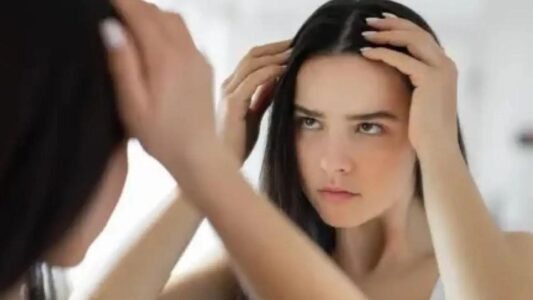
Hair loss is no longer a problem limited to men. A large number of women in their 20s-30s are noticing excessive shedding, thinning, and reduced hair volume.
Hair loss can happen due to hormonal disorders such as PCOS and PCOD, which are increasingly prevalent today. These conditions are not just associated with acne, irregular periods, and weight gain; they can also severely impact hair health, causing diffuse thinning or even localised bald patches in some cases. It is necessary to address hair loss without any delay with the help of an expert.
Polycystic Ovary Syndrome (PCOS) and Polycystic Ovarian Disease (PCOD) not only lead to irregular periods, excess hair growth (hirsutism), acne, weight gain, and difficulty conceiving, but even that concerning hair fall. “These conditions tend to disrupt the body’s hormonal balance, often leading to elevated androgen levels, which directly affect hair follicles. The result is a condition called androgenic alopecia, where the hair growth slows and follicles shrink over time. So, this type of hair fall is gradual but persistent, making early diagnosis and treatment crucial,” highlights Mumbai-based dermatologist Dr Shareefa Isa Chause.
She further explains, “Androgenic alopecia in women is commonly linked to hormonal conditions like PCOS and PCOD, where increased male hormones gradually weaken hair follicles, leading to thinning hair and widening of the parting. Women with these conditions often experience other symptoms such as acne, facial hair growth, irregular periods, weight gain, and oily skin. If left untreated, hair thinning can slowly progress and become difficult to reverse. Beyond the physical symptoms, hair loss can deeply affect a woman’s self-confidence, body image, and emotional well-being. Many women feel anxious or socially withdrawn due to visible hair thinning. Early diagnosis and hormonal balance are key to controlling hair loss and restoring confidence. In a month, 3 out of 10 women aged 20-30 with PCOS or PCOD experience noticeable hair thinning, and many of them seek medical help due to anxiety and panic over excessive hair fall. There has been a 30 per cent surge in hair fall complaints among women diagnosed with PC
Hair fall in women with PCOS or PCOD can be distressing, but it is manageable. “Maintaining a balanced diet rich in protein, iron, and vitamins is essential. Regular exercise helps regulate hormones, while stress reduction techniques like yoga or meditation can further improve hair health. Topical treatments, such as minoxidil, can promote regrowth, and in some cases, oral medications may be prescribed for hair growth. Most importantly, women should consult an expert rather than waiting for hair loss to become severe. Alongside medical treatment, gentle hair care and a good diet is vital; avoid harsh chemical treatments, excessive heat styling, and tight hairstyles. Using mild shampoos and conditioning regularly can help reduce breakage. Hair fall may not reverse completely in severe cases, but timely intervention can slow progression and improve overall hair density,” adds Dr Chause.
Dr Priyanka Sonawane, gynecologist, Zynova Shalby Hospital in Ghatkopar West, further explains, “Hair thinning is a very common complaint among women with PCOS and PCOD, and many patients come to us feeling worried. About 20 per cent of women coming to me notice visible hair fall, which often worsens if a hormonal imbalance is not addressed early. In a month, 2 out of 10 women aged 20-30 years have complaints of hair fall. The good news is that with proper treatment, such as hormonal regulation, nutritional support, lifestyle changes, and dermatologist-prescribed therapies, hair loss can be controlled. Early intervention helps slow thinning and, in many cases, improves hair density over time. Timely medical care also reassures patients and helps restore confidence.”
With lifestyle changes, medical guidance, and targeted treatments, women affected by PCOS and PCOD can significantly manage hair fall. Awareness about the link between hormonal disorders and hair health is the first step toward prevention and recovery. Early action ensures that women regain not only healthier hair but also confidence and quality of life.
Mumbai doctors see 30 per cent rise in hairfall among women linked to PCOS