Currently, Mumbai doctors are seeing a surge in cases of brain tumours among adults aged 35-45 years. This trend can be attributed to diagnostic facilities, greater awareness, environmental factors, genetic predisposition, and lifestyle-related health challenges.
It is also why they say adults shouldn’t ignore persistent headaches, vision changes, seizures, or balance problems. Experts advise timely attention for symptoms such as constant headaches, vision changes, and seizures. Timely intervention is life-saving for the patients.
Previously, brain tumours were commonly seen in the older population above 60 years of age. However, there is a shift in the trend now. Dr Nitin Dange, director – Interventional Neurologist and Neurosurgeon, Gleneagles Hospital in Parel, said, “Unfortunately, currently, brain tumour cases are increasing among adults aged 35-45 years, due to factors such as improved access to MRI and CT scans, increased health awareness, genetic susceptibility, environmental exposures, and lifestyle-related changes such as stress, disrupted sleep cycles, prolonged screen exposure, physical inactivity, and even rising metabolic disorders. Understand that these factors may not directly be linked to brain tumours but can contribute to overall health risks and often lead people to ignore early warning signs, causing delayed diagnosis and treatment. In a week, 3-4 adults aged 35-45 years visit me with symptoms such as persistent or worsening headaches, blurred or double vision, unexplained seizures, weakness in the arms or legs, balance difficulties, memory problems, personality changes, nausea, and repeated vomiting that can be linked to brain tumours.”
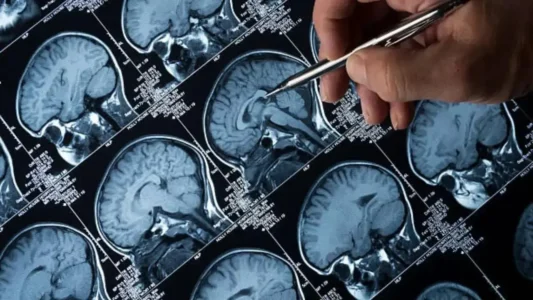
Dr Dange further added, “So, the patients often tend to ignore the symptoms due to hectic schedules, demanding careers, family responsibilities, irregular sleep patterns, or stress. They may label these symptoms as stress and suffer in silence. They tend to seek help only when the symptoms interfere with their daily routine. If left untreated, brain tumours can lead to serious complications, including permanent neurological deficits, loss of vision, recurrent seizures, speech difficulties, mobility problems, and increased pressure within the brain, and the treatment can become more complicated. Hence, timely diagnosis and treatment are key to saving the patient’s life. Diagnosis for a brain tumour involves an MRI or a CT scan. After the tumour detection, the treatment will be dependent on the tumour`s type, size, and location. Surgery is the primary treatment for brain tumours, aiming to remove as much of the tumour as safely possible while preserving brain function. Depending on the diagnosis, radiation therapy, chemotherapy, targeted therapy, or a combination of treatments may also be recommended to the patient.”
Traditionally, brain tumours were seen in older adults, but now many adults are also suffering from them in their 30s-40s. The surge in cases can be associated with increasing environmental exposures and underlying genetic factors. The signs, such as constant headaches, seizures, or vision changes, shouldn’t be dismissed by individuals. Weekly, one to two patients belonging to the age group 35-45 years are coming with vomiting, which is not linked to food infection, headaches, vision changes, and are at risk of being diagnosed with brain tumours. Brain tumours can also have an impact on mood, thinking, and behaviour, such as irritability, which can be linked to anxiety, ageing, burnout, and fatigue. It is not possible to pinpoint a single cause behind a brain tumour, as it happens due to a combination of factors. Any neurological symptom that is new, persistent, or progressively worsening should be evaluated without delay, as early diagnosis can improve treatment outcomes,” highlighted Dr Batuk Diyora, neurosurgeon, Zen Multispeciality Hospital in Chembur.
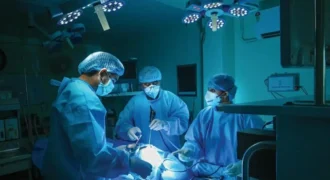
Dr Dange concludes that brain tumour surgery has evolved with the use of technologies such as robotic-assisted systems, artificial intelligence-based surgical planning, fluorescence-guided tumour visualisation, advanced neuro-navigation, intraoperative MRI, and real-time brain mapping, currently. Now, it is possible to detect tumours precisely and remove them safely while protecting critical brain functions and supporting faster recovery.
Mumbai docs: More adults above 30 yrs suffering from brain tumours than elderly